 VS


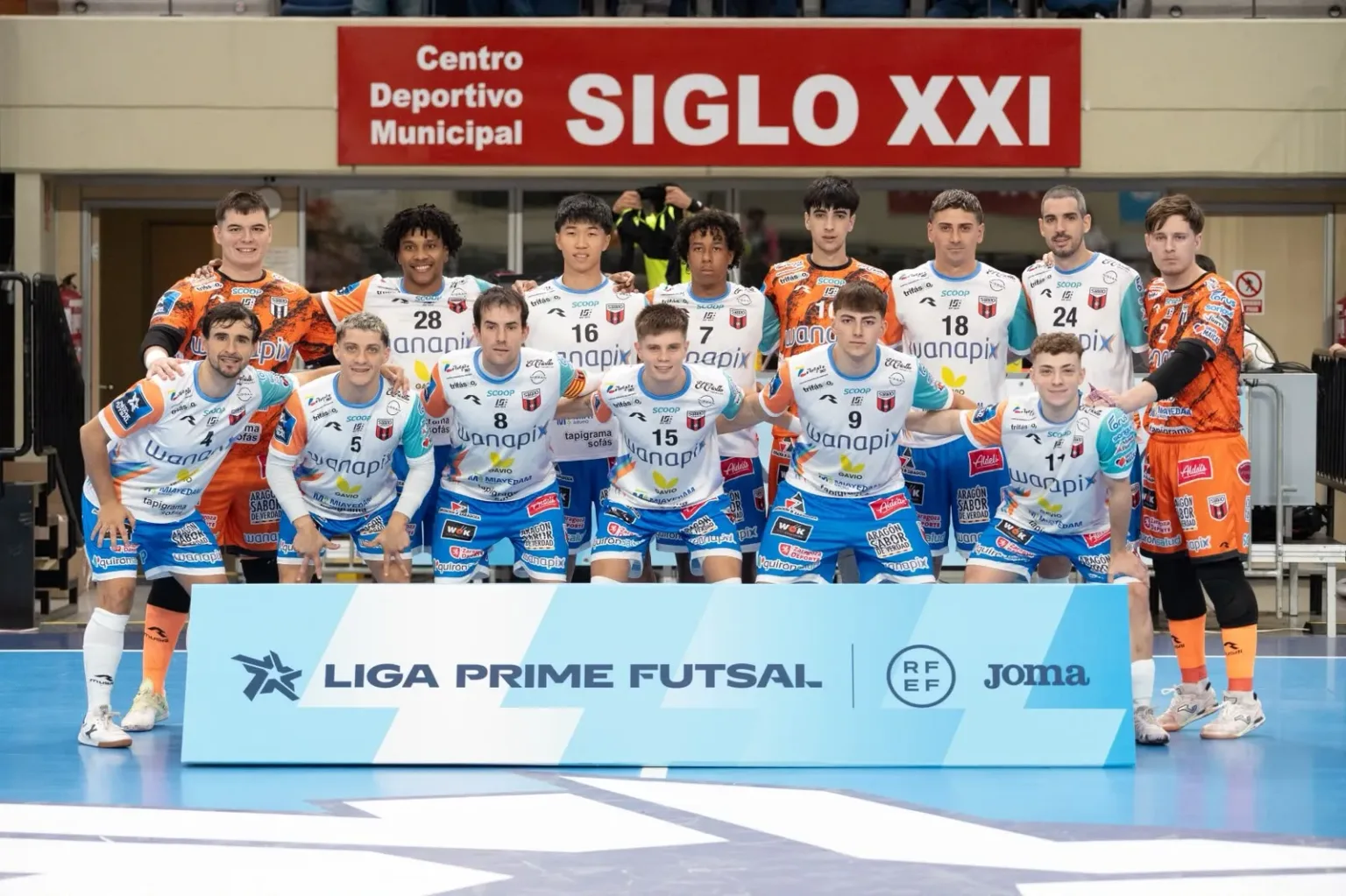


Alejandro Núñez has been the podiatrist for Fútbol Emotion Zaragoza since the 2006-07 season. However, he began his career as a sports podiatrist even before that. He has been dedicated to this field since 2003, when he opened his own practice.
– What is your role at Fútbol Emotion Zaragoza?
The podiatrist is part of a multidisciplinary medical team comprised of the team doctor, physiotherapist, and podiatrist. We are responsible for the health of the entire squad, both in terms of injury prevention and treatment. We work closely with the technical team, especially the strength and conditioning coach. My specific role focuses on preventing foot injuries, both structural and functional, that can affect upper body structures such as the ankle, knee, hip, and back. I also treat skin and nail injuries, which are so common in futsal.
– How can foot shape or gait affect athletic performance?
– In any sport practiced professionally, many repetitive actions occur under maximum exertion, causing stress on the tissues, which can lead to injury. Depending on each individual's structure and its function, we must try to minimize this stress as much as possible to prevent injuries that would prevent the player from participating with the team
– What are the most common problems in futsal players?
– Depending on the time of year, different foot pathologies are common. Skin injuries are frequent during preseason. As the season progresses, overuse injuries and injuries resulting from gameplay, such as sprains, awkward movements from tackles, falls, etc., can appear. The most common injuries we see are muscle strains, shin splints, plantar fasciitis, sesamoiditis, and iliotibial band syndrome. Biomechanical protection of previously injured areas, such as knee injuries, is also necessary. I believe futsal is one of the most challenging sports for podiatrists because most players wear very tight shoes, which makes applying treatments inside the foot extremely difficult. Their feet are their primary source of sensation on the court, and we cannot interfere with that in the slightest.
– How many reviews do you do with the players?
– Every season is different; it depends a lot on the arrival of new players. We see new signings in preseason or when they first join the team, since we don't know them and we have to assess them. This season there have been many new additions that we've had to study. We schedule appointments for them and perform a biomechanical gait analysis, and if necessary, we provide them with individualized treatment using orthotics. We see the players who were already with us and update their treatments if needed. All the players have my contact information so they can ask me any questions at any time during the season. Whenever possible, I like to be at home games at the Siglo XXI stadium and at some training sessions.
– How can someone tell if their foot strike is incorrect?
Each person has an individual foot structure and function that can lead to discomfort and pathologies manifesting in the feet, ankles, knees, hips, or back. In children, it's important to conduct a study between the ages of 3 and 4 to assess their biomechanical development. In adults, it will depend heavily on the activity level. For example, we might perform a light work job without problems, but when we engage in sports and exert ourselves more, ailments may appear that can be addressed.